Why hard water stains are so stubborn
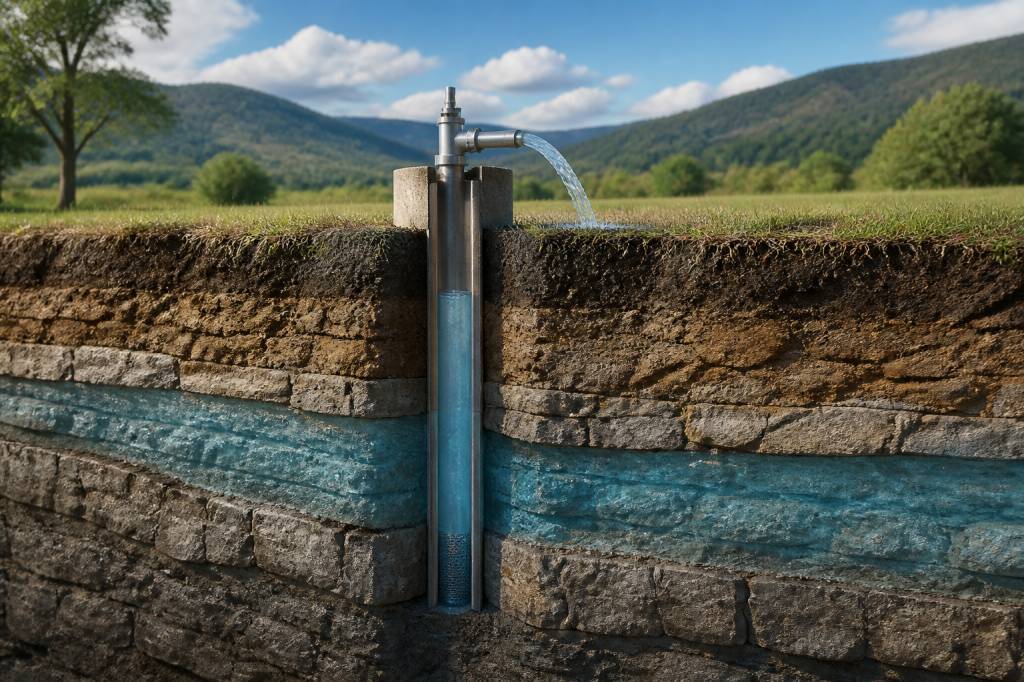
If you live with hard water, you already know the drill: cloudy glass, chalky faucet heads, white rings in the sink, and that mysterious crust that seems to appear overnight. Hard water contains higher levels of minerals, mainly calcium and magnesium. When water evaporates, those minerals stay behind and build up on surfaces. Over time, that buildup can turn into stains that look dull, feel rough, and refuse to budge with a quick wipe.
The good news? You do not always need harsh chemicals to deal with it. Baking soda is one of the simplest natural cleaning tools you can keep in your home. It is inexpensive, widely available, and surprisingly effective on mineral buildup when you use it the right way.
Think of it as the “gentle scrub with attitude.” It is mild enough for many surfaces, yet tough enough to help loosen deposits that have been hanging around far too long.
Why baking soda works on hard water stains
Baking soda, also called sodium bicarbonate, helps in a few ways. First, it is slightly abrasive, which means it can physically lift mineral residue without scraping your surfaces the way a harsher scrub might. Second, it helps neutralize odors and can boost the cleaning power of other ingredients, especially vinegar or lemon juice when used carefully.
Unlike strong chemical cleaners, baking soda is a practical option for routine maintenance. It is especially useful when stains are still in the early or moderate stage. If the buildup has been sitting for months, you may need a repeated treatment, a little patience, or a combination of methods.
That said, baking soda is not magic. It works best when you let it sit, keep the surface damp long enough, and use the right amount of elbow grease. Fortunately, none of that requires a chemistry degree.
Where baking soda can help most
Baking soda is a great fit for many common hard water problem areas around the house. You can use it on:
- Bathroom sinks
- Faucets and tap bases
- Shower doors and tile
- Toilet bowls with mineral rings
- Glassware with cloudy residue
- Stainless steel fixtures
- Bathtubs and drain areas
It can also be useful in the kitchen, especially around the sink and on items like kettle exteriors or drip trays. Still, every material is different, so always test a small hidden area first, especially on delicate surfaces, natural stone, or coated finishes.
The easiest baking soda paste for stubborn buildup
For most hard water stains, a simple paste is the best place to start. You only need baking soda and a little water. The texture should be thick enough to cling to vertical surfaces but soft enough to spread easily.
Here is a simple approach:
- Mix 3 tablespoons of baking soda with 1 tablespoon of water.
- Stir until it forms a spreadable paste.
- Apply the paste directly to the stain.
- Let it sit for 10 to 15 minutes.
- Scrub gently with a damp sponge, microfiber cloth, or soft brush.
- Rinse thoroughly and dry the surface.
Drying is important. If you stop after rinsing, leftover water can create new spots almost immediately. It is a little like cleaning the kitchen and then leaving breadcrumbs on the counter. The result is not what you hoped for.
How to remove hard water stains from faucets and fixtures
Faucets are a classic battleground for mineral buildup because water sits around the base, near seams, and around aerators. Baking soda is helpful here because it can cling to the fixture without dripping everywhere.
Try this method:
- Turn off the water and dry the fixture first.
- Apply baking soda paste around the stained areas.
- Use an old toothbrush or soft detailing brush to work the paste into crevices.
- Let it sit for 10 minutes.
- Wipe clean with a damp cloth.
- Buff dry with a microfiber towel for extra shine.
If the stain is heavy, repeat the process. Fixtures often need two passes, especially if the buildup has created a rough, crusty edge. For tight spots around the aerator, a small brush can make a noticeable difference.
How to clean cloudy glass and shower doors
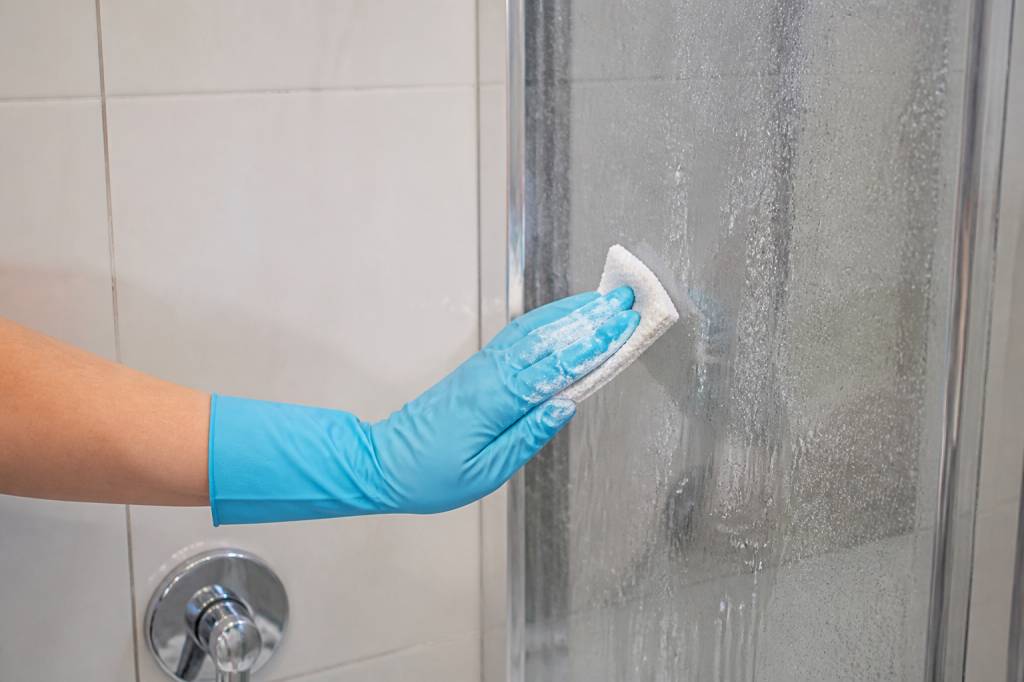
Shower doors are where hard water stains like to put on a full display. The combination of soap residue and minerals can create a cloudy film that makes even a clean bathroom look tired. Baking soda can help break up that layer, especially when used with a little moisture and time.
For glass surfaces, use a soft cloth or sponge and avoid anything too abrasive. You want clean glass, not a surface that looks like it lost a fight with sandpaper.
Here is a safe method:
- Sprinkle baking soda onto a damp sponge.
- Gently rub the cloudy areas in circular motions.
- Focus on the lower sections and corners where buildup is usually worse.
- Rinse with warm water.
- Dry with a lint-free towel or squeegee.
If the glass is heavily affected, you can make a paste and leave it on for a few minutes before wiping it away. For repeated buildup, consistency matters more than force. A quick weekly clean can prevent the stain from becoming a permanent resident.
Removing mineral rings from toilets and tubs
Toilet bowls and bathtubs often collect hard water stains in the same places each week. The good news is that baking soda is a practical, low-fuss fix for these areas.
In toilets, sprinkle baking soda directly onto the stained ring and around the waterline. Add a small amount of water to create a paste, then let it sit before scrubbing with a toilet brush. In tubs, apply the paste to the ring or dull areas near the drain, let it rest, and scrub with a non-scratch sponge.
For best results:
- Drain or reduce standing water when possible.
- Let the baking soda sit long enough to loosen buildup.
- Use gentle pressure rather than aggressive scrubbing.
- Rinse well so no residue is left behind.
If you notice stains returning quickly, that may be a sign that your water is particularly mineral-rich. In that case, cleaning helps, but it may not be the whole solution.
Can you use baking soda with vinegar?
Yes, but with a small caveat. The internet loves the baking soda and vinegar combo, and for good reason: it creates fizz, which can help loosen surface debris. But the reaction is short-lived, and the foaming action is not a replacement for proper scrubbing. In other words, it looks dramatic, but the real work still comes from contact time and friction.
For hard water stains, a smart approach is to use baking soda first as a gentle scrub, then follow with vinegar if needed on compatible surfaces. However, do not mix them in a container and expect a super-cleaning potion. By the time you apply it, much of the fizzing reaction has already happened.
Also, be careful with vinegar on natural stone, grout, or surfaces that could be damaged by acid. If you are unsure, stick with baking soda and water alone. That is often enough for regular buildup.
What not to do when cleaning hard water stains
Even natural cleaning has a few rules. A little caution can save you from scratches, dull spots, or accidental damage.
- Do not use baking soda on delicate, high-gloss surfaces without testing first.
- Do not scrub glass or stainless steel with an overly rough pad.
- Do not let paste dry completely on the surface unless the material is safe for it.
- Do not skip rinsing, or you may leave a powdery film behind.
- Do not assume every stain is just hard water; some discoloration may be rust or soap scum.
If you are working with chrome, polished metal, or glass, think gentle. Baking soda should help the surface, not leave it looking like it lost a debate with your cleaning routine.
How to prevent hard water stains from coming back
Cleaning hard water stains is only half the story. Prevention is where your life gets easier. Since mineral deposits form when water sits and evaporates, the fastest way to reduce buildup is to remove standing water before it dries.
Useful habits include:
- Wiping faucets and sinks dry after use
- Using a squeegee on shower glass after bathing
- Running a microfiber cloth over chrome fixtures once a day
- Cleaning aerators and showerheads regularly
- Using mats or trays under items that collect water
If you live in a home with consistently hard water, prevention matters even more. Regular maintenance is much easier than scraping away months of buildup. A minute or two now can save you a bigger cleaning session later.
When hard water stains are a sign of a bigger issue
Sometimes hard water stains are just an annoyance. Other times, they are a clue that your water quality deserves a closer look. If you see frequent buildup on fixtures, cloudy dishes, dry skin after bathing, or reduced appliance performance, hard water may be affecting more than your cleaning routine.
This is where water treatment enters the picture. A water softener or filtration system can reduce the mineral content in your water, which helps protect fixtures, appliances, and plumbing over time. In a health and wellbeing context, cleaner water at home can also make daily routines feel more comfortable and more consistent.
For households dealing with recurring stains, it is worth asking: am I only treating the symptom, or should I also address the source?
A simple routine for keeping surfaces clear
If you want a low-stress approach, here is a routine that works well for many homes:
- Daily: dry faucets, sink edges, and shower glass.
- Weekly: use baking soda paste on problem areas.
- Monthly: clean showerheads, aerators, and drain rings.
- Seasonally: assess whether your water needs filtration or softening support.
This kind of routine keeps stains from becoming deeply embedded. It also makes each cleaning session shorter, which is always welcome. Nobody dreams of spending their weekend polishing a faucet.
Final thoughts for a cleaner, calmer home
Baking soda is one of the most reliable natural tools for tackling hard water stains. It is affordable, easy to use, and effective on many of the surfaces that mineral buildup targets most often. Whether you are dealing with cloudy glass, stubborn faucet stains, or that familiar bathtub ring, a simple baking soda paste can go a long way.
The real advantage is that it fits into a broader mindset of cleaner living. You are not just removing an ugly mark; you are building habits that support a healthier, more comfortable home. And if those stains keep returning, that may be your cue to look beyond cleaning and think about your water itself.
A small jar of baking soda can help you fight the mess. A better understanding of your water can help you prevent it.