Water is one of those things we use all day without thinking about it. A quick shower. A pot of pasta. A load of laundry. A glass at dinner. By the end of the week, the numbers add up faster than most people expect. So how much water does one person actually use, and where does it all go?
If you have ever opened a utility bill and wondered, “Wait, is that normal?”, you are not alone. Average water consumption per person varies a lot depending on where you live, your habits, the number of people in the home, and even the appliances you use. The good news? Once you understand the biggest sources of water use, reducing it becomes much easier.
How much water does one person use on average?
In many households, a person uses roughly 80 to 100 gallons of water per day in the United States, though the number can be lower or much higher depending on lifestyle and location. In liters, that is about 300 to 380 liters per day. That may sound huge, but remember: most of it is not from drinking. It comes from showers, toilets, washing machines, dishwashing, cooking, cleaning, and outdoor use.
To put it simply, the average person drinks only a tiny fraction of the water they use. The rest goes into making daily life run smoothly. A bathroom sink may use a few gallons in a minute, a toilet can use several gallons per flush, and a shower can quietly become the biggest water user in the home. Water has a funny way of disappearing into routine.
Here is the catch: average usage is just that, an average. A single long shower can push your daily consumption up quickly. A family that runs multiple loads of laundry every week will use more water than someone living alone and cooking most meals at home. Even climate matters. Hotter regions often mean more showers, more watering, and more evaporation.
Where household water is actually going
Most people assume drinking and cooking account for a meaningful share of home water use. In reality, these uses are small compared with the big household culprits. If you want to reduce water use, start with the places where the most water is lost or spent without much notice.
- Toilets: One of the largest indoor water users. Older models can use far more water per flush than modern efficient ones.
- Showers: A 10-minute shower can use a surprising amount, especially with older showerheads.
- Faucets: Running the tap while brushing teeth or washing dishes adds up fast.
- Washing machines: Laundry is essential, but frequent small loads waste water.
- Dishwashers: Efficient models can save water, but only when used full.
- Leaks: A slow drip might seem harmless, but over time it wastes a lot of water.
- Outdoor use: Gardening, lawns, pools, and car washing can dramatically increase consumption.
Think of household water use like spending money with a few big purchases and a hundred tiny ones. The big ones matter most, but the tiny habits are what shape the monthly total.
How drinking water fits into the picture
Since this blog focuses on water quality and purification, it is worth separating how much water we use from how much water we drink. An adult typically needs around 2 to 3 liters of water per day, though needs vary based on activity, climate, age, and overall health. That is a very different number from total household water use.
This distinction matters because it helps us see that the value of water is not just in volume. The quality of the water we drink matters just as much as the amount. Clean, well-purified water supports hydration, cooking, and peace of mind. If you are already paying attention to water consumption, it is a natural next step to think about water quality too.
After all, what is the point of carefully managing your water use if the water itself is not something you would feel confident drinking straight from the tap?
What drives water use up or down
Water consumption is shaped by daily habits, but also by the home itself. Two households with the same number of people can have very different water bills.
Some common factors include:
- Household size: More people usually means more showers, laundry, and dishwashing.
- Appliance efficiency: Newer dishwashers, washing machines, and toilets often use much less water.
- Behavior: Long showers, running taps, and frequent laundry loads increase use.
- Climate: Hot or dry climates often lead to more outdoor watering and more showers.
- Outdoor space: Lawns, gardens, and pools can be major water users.
- Leaks: Even hidden leaks can distort consumption and waste water continuously.
One useful way to think about it is this: your home’s water footprint is partly designed by the plumbing and appliances you have, and partly written by your habits. The good part is that you can influence both.
Simple ways to reduce water use without making life harder
Saving water does not have to mean living like you are camping with a strict referee. Small changes often create the biggest savings over time, and most of them are barely noticeable once they become routine.
- Take shorter showers: Cutting even two minutes from each shower can save a significant amount of water over a month.
- Install a low-flow showerhead: Modern models maintain comfort while using less water.
- Turn off the tap while brushing your teeth: This classic tip still works because it is simple and effective.
- Fix leaks quickly: A dripping faucet or running toilet can waste far more water than people realize.
- Run full loads: Wait until the dishwasher and washing machine are full before using them.
- Choose efficient appliances: If you are replacing old equipment, look for water-saving models.
- Use a basin for rinsing: When washing vegetables or dishes by hand, avoid letting water run continuously.
- Collect cold water while waiting for it to warm: That water can be reused for plants or cleaning.
These changes sound small, but water savings accumulate quietly. The same way a few skipped snacks do not seem dramatic in the moment but change your grocery bill, a few reduced habits can make a noticeable difference.
Kitchen habits that can cut consumption fast
The kitchen is an excellent place to start because small improvements are easy to adopt. Cooking and cleaning are daily tasks, so the gains add up quickly.
For example, instead of rinsing produce under a constantly running faucet, fill a bowl with water and wash items there. If you boil pasta or vegetables, use only as much water as needed. Let the dishwasher do the heavy lifting rather than washing every item by hand under running water, especially if your machine is efficient.
Another overlooked habit is thawing frozen food under running water. Planning ahead and moving items to the fridge the night before saves water and usually improves food safety too. Convenient? Yes. Wasteful? Also yes.
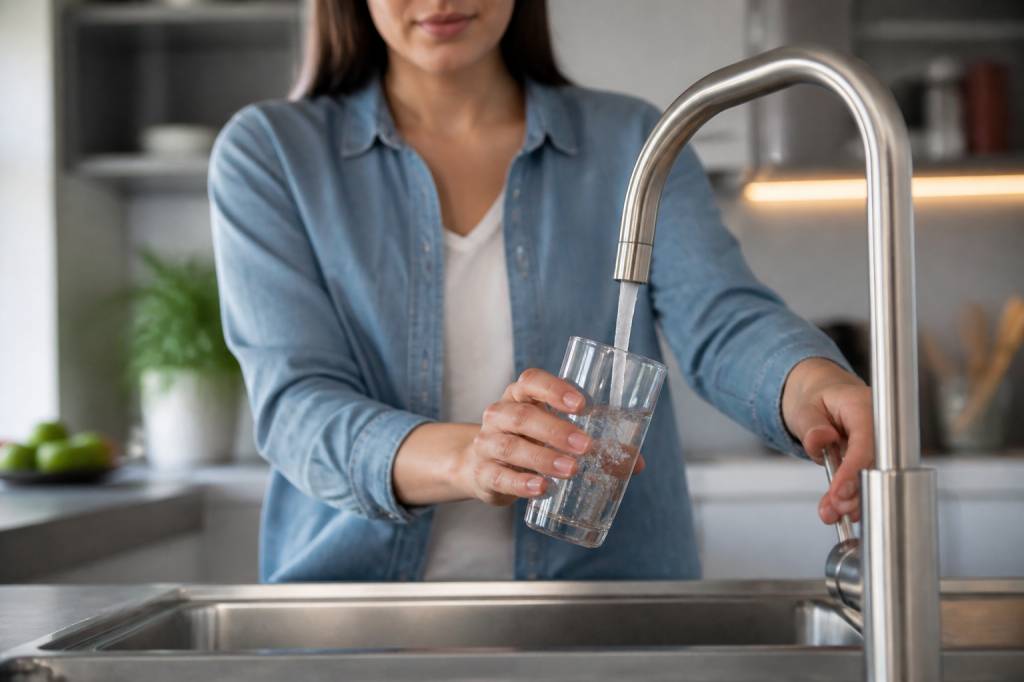
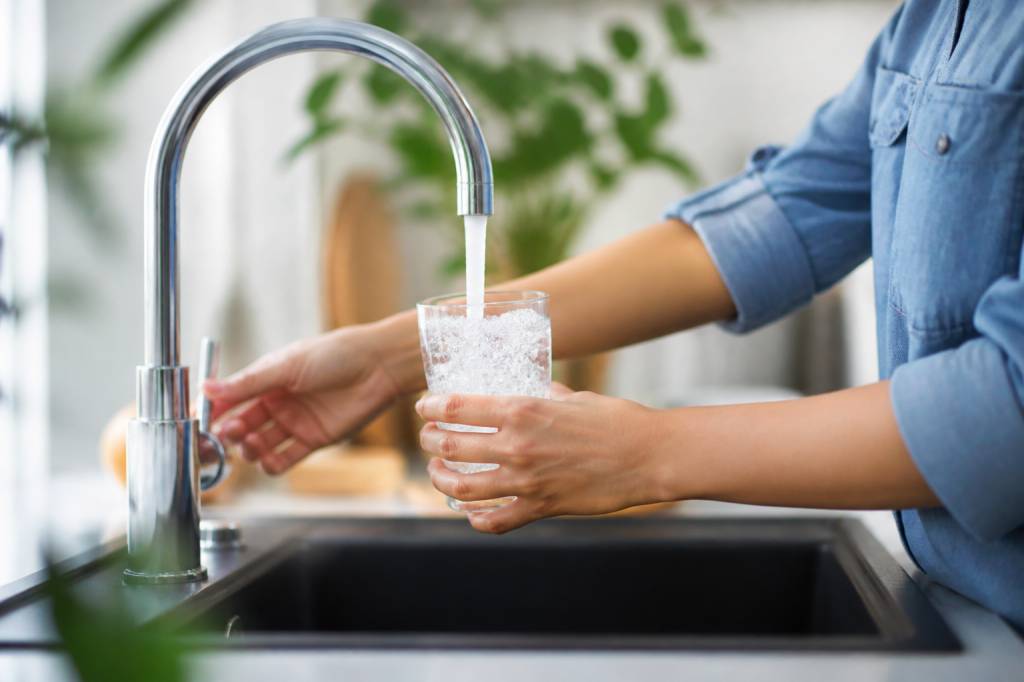
If you use filtered drinking water at home, keeping a pitcher or dispenser ready in the fridge can also reduce the need to run the tap waiting for cooler water. That is a small habit, but one with a practical bonus: better-tasting water is more likely to be drunk regularly, which supports hydration and may reduce the temptation to buy bottled water.
Bathroom water savings that really matter
The bathroom is often the biggest opportunity for savings. Showers, sinks, and toilets are used every day, so even modest changes can have a large impact.
Start with shower time. If a shower lasts 12 minutes because the playlist is just too good, that is a real water cost. Try setting a timer or choosing a two-song rule. You do not need military discipline, just a little awareness. A low-flow showerhead can help too, especially in homes with older fixtures.
Toilets deserve attention as well. If your toilet is older, it may use much more water per flush than modern models. If replacement is not an option right now, make sure the tank is not leaking. A simple dye test can reveal silent leaks that waste water all day and night.
For the sink, avoid letting water run while shaving, brushing teeth, or washing your face. Turn it on only when needed. It seems almost too basic to mention, which is exactly why it is powerful. Basic habits are often the easiest to forget.
Outdoor water use: the hidden heavyweight
Outdoor water use can be a major factor, especially in warm or dry areas. Lawns, flower beds, vegetable gardens, and car washing all contribute. In some homes, outdoor use can rival or exceed indoor use during certain seasons.
If you water plants, aim for early morning or evening to reduce evaporation. Consider choosing native or drought-tolerant plants that need less irrigation. Mulch also helps the soil retain moisture, which means less watering over time.
For lawns, less frequent but deeper watering is often better than shallow daily watering. And if you are washing a car, use a bucket and sponge rather than a running hose. Your car will still be clean, and your water use will be much lower. The hose does not need to feel emotionally involved in the process.
How water purification supports smarter water habits
When people think about saving water, they often focus on quantity alone. But water quality affects how water is used and valued too. If your tap water tastes unpleasant, has an odd smell, or contains particles, you may end up wasting more water flushing the tap, buying bottled water, or avoiding drinking enough at home.
Good water purification can help here. A reliable filtration system can improve taste, reduce certain contaminants, and make home water more appealing for drinking and cooking. That often means fewer single-use bottles, less household waste, and a stronger habit of staying hydrated with water you trust.
In other words, efficient water use is not only about using less. It is also about using water better.
A practical way to track your own usage
If you want to know whether your water consumption is high or low, start with your water bill. Look at monthly usage rather than just the cost, since pricing can vary. Compare a few months side by side and notice patterns. Did usage rise when temperatures increased? Did a guest stay or a new laundry routine change the numbers?
You can also do a simple home audit:
- Check for dripping faucets and toilets.
- Note how long showers usually last.
- Count laundry and dishwasher loads per week.
- Look at outdoor watering habits.
- Review whether appliances are efficient or outdated.
This kind of check does not need to be formal. You are not writing a thesis on your shower head. You are just identifying the biggest opportunities.
Why reducing water use matters beyond the bill
Lower water use can reduce household costs, but the benefits go further. It helps protect local water resources, reduces pressure on infrastructure, and encourages more mindful daily habits. In many regions, water scarcity is becoming a serious concern, and every household that uses water more efficiently contributes to the bigger picture.
There is also a personal benefit that is easy to miss: once you start paying attention to water, you often become more attentive to the quality of what you drink, cook with, and store at home. That is a healthy shift. A home that uses water thoughtfully tends to feel more intentional overall.
Average water consumption per person can sound like a dry statistic, but it is really a window into how we live. And once you see the patterns, you can change them without giving up comfort. A few smarter habits, a few efficient upgrades, and a little more attention to water quality can make a meaningful difference.