


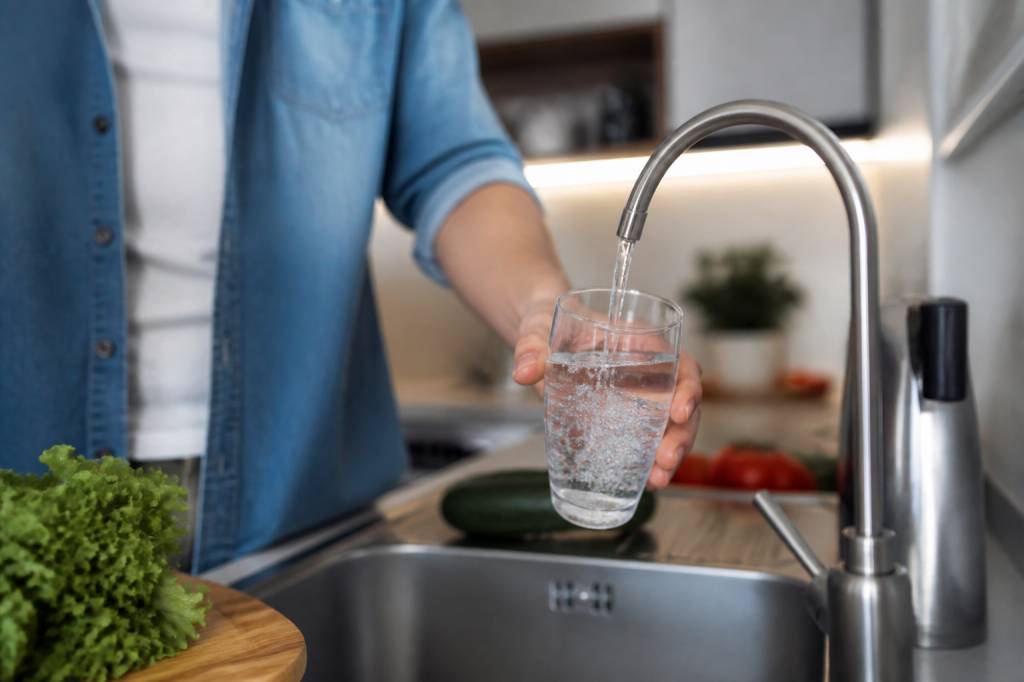
Water is one of those utilities we tend to notice only when the bill arrives. Then suddenly, every shower, every load of laundry, every mysteriously long-running faucet feels personal. But how much water does a household actually use on average? And more importantly, what makes that number go up or down?
If you care about health, home efficiency, and reducing waste, understanding household water consumption is a smart place to start. It helps you spot habits that quietly drain your budget, identify where your water is going, and make changes that are easy to live with. The good news? You do not need to turn your home into a strict “save every drop” zone. A few thoughtful adjustments can make a real difference.
What is the average water consumption per household?
Household water use varies widely depending on where you live, how many people live with you, and your daily habits. In many countries, an average household uses several thousand liters or gallons of water per month. In the United States, for example, a typical family can use hundreds of gallons per day, with indoor use making up the largest share.
To put it simply: water use is not one-size-fits-all. A single-person apartment with short showers and a dishwasher used efficiently will look very different from a busy family home with frequent laundry, long baths, a lawn, and multiple bathrooms. That is why averages are useful as a reference, but your own pattern matters more.
Still, there is one helpful rule of thumb: most households use the majority of their water indoors, and the biggest drains are usually bathrooms, laundry, and the kitchen. If you want to lower your consumption, that is where the best opportunities usually are.
What affects household water consumption?
A surprising number of factors influence how much water a household uses. Some are obvious, while others are easy to overlook until your usage spikes.
One of the most common surprises is how much water disappears through leaks. A toilet with a silent leak might not seem dramatic, but over time it can waste enough water to make a noticeable dent in both usage and cost. Water is patient like that; it does not rush, but it does keep going.
Where most household water goes
If you want to reduce water consumption, it helps to know where the real volume is happening. For most households, these are the main categories:
Bathrooms usually top the list because they combine frequency and volume. A shower that runs just a few minutes longer than needed may not feel like much, but multiplied over a week and across several people, it becomes meaningful. The same goes for toilets, which are used many times a day and can be a major source of water waste if they are outdated or leaking.
How appliances and plumbing influence water use
Efficient habits matter, but hardware matters too. Your home’s fixtures and appliances can either help you save water or make every small habit more expensive.
Older toilets often use far more water per flush than modern low-flow models. Older showerheads may pour out more water than necessary, and some washing machines can be surprisingly thirsty. If your home is equipped with older plumbing, you may be paying for water that could have been saved with a simple upgrade.
Another factor is water pressure. High pressure can feel luxurious, but it can also increase flow through faucets and showers. In some homes, reducing flow with efficient fixtures is a better solution than simply trying to “use less” through willpower alone.
For families that care about water quality as well as quantity, filtration can also play a role. A well-designed water filtration system can improve taste and encourage healthier drinking habits, which may reduce the need for bottled water. That is not just better for your routine; it also cuts down on plastic waste and supports a more sustainable household.
Simple habits that help reduce water consumption
The most effective way to reduce household water use is not through extreme restrictions. It is through small, repeatable habits that fit into everyday life.
None of these changes are dramatic. That is the point. The best water-saving habits are the ones you can keep without thinking too hard about them. If you need a dozen reminders and a motivational speech every morning, the habit probably will not stick.
Outdoor water use: the hidden heavyweight
In many homes, outdoor water use is much larger than people realize. A garden that looks innocent from the patio can be one of the biggest contributors to your monthly bill.
Lawns, flower beds, and vegetable gardens all need different amounts of water. Overwatering is common, especially when people water on a fixed schedule rather than based on weather or soil conditions. A healthy garden does not always need daily watering. Sometimes it needs smarter watering.
Here are a few practical ways to reduce outdoor consumption:
If you have ever seen a sprinkler watering the sidewalk more than the lawn, you know how wasteful poor outdoor irrigation can be. That is not hydration. That is just the pavement having a nice shower.
How to measure your own water use
Reducing water consumption becomes easier when you know your baseline. The simplest starting point is your water bill. Look at your monthly or quarterly usage and compare it across seasons. Spikes can reveal habits, leaks, or changes in household size.
Some water providers also show usage trends, which can be incredibly useful. If your consumption rises suddenly without explanation, a leak may be the culprit. If it rises every summer, outdoor watering may be the main driver.
You can also try a basic home audit:
Tracking water use does not need to be complicated. Even a simple notebook or phone note can reveal patterns you might otherwise miss. And once you see the pattern, you can usually change it.
Smart upgrades that save water without sacrificing comfort
Not every water-saving move requires a lifestyle shift. Some upgrades do the hard work for you, quietly reducing consumption every day.
Efficient toilets are one of the most effective upgrades, especially in households with multiple bathrooms. Low-flow showerheads can preserve a comfortable shower experience while using less water. Aerated faucets can reduce flow without making sinks frustrating to use. Modern washing machines and dishwashers are also designed to clean well while using significantly less water than older models.
For households focused on water quality, filtration systems can be a worthwhile investment. Better-tasting water encourages people to drink from the tap rather than buy bottled water. That means less plastic, less clutter, and often less overall household waste. It is a small shift with a broad impact.
When choosing upgrades, think about the places where water use is frequent and repetitive. That is where efficiency gains add up fastest. A modest improvement in a daily routine often beats a dramatic change that only happens once in a while.
How family habits shape water consumption
Household water use is not only about fixtures and bills. It is also about the people living in the home. A family with children may use more water because of laundry and bathing routines. A household with active outdoor hobbies may wash equipment often. A home office setup can also influence water use, especially when people are home more during the day.
This is why water-saving efforts work best when everyone participates. Children can learn to turn off taps. Teens can understand why shorter showers matter. Adults can agree on laundry routines that reduce waste without creating friction. The goal is not to micromanage every drop. It is to build a culture of awareness.
And yes, there is room for normal life. Saving water should not feel like a punishment. It should feel like making smarter choices that keep your home comfortable, healthy, and efficient.
Why reducing water use matters beyond the bill
Lower water consumption is good for your budget, but the benefits go further. Using less water reduces strain on local water supplies, supports more responsible resource management, and can lower the energy needed to heat and transport water. That matters for both environmental and household wellness goals.
There is also a practical side: homes that use water more efficiently often experience fewer issues with overspending, unnoticed leaks, and unnecessary appliance wear. In that sense, water efficiency is part of overall home care, just like maintaining air quality or choosing safe filtration.
For families focused on health and well-being, water is not just a utility. It is part of daily comfort, hydration, cooking, cleaning, and hygiene. Managing it wisely is one of the simplest ways to make your home work better for you.
A realistic approach to using less water
The best water-saving plan is the one that fits your household. Start with the biggest users first: showers, toilets, laundry, leaks, and outdoor watering. Then make one or two changes at a time. That approach keeps the process manageable and avoids the feeling that you need to overhaul your entire life before breakfast.
If you are trying to reduce water use while maintaining clean, safe drinking water, consider pairing your efforts with a reliable filtration solution. Better water quality can support healthier habits, encourage tap water use, and reduce dependence on bottled water. That is a win for your home, your routine, and the planet.
Water efficiency is not about perfection. It is about awareness, consistency, and making a few smart decisions that add up over time. Once you start paying attention, you will probably notice that some of the biggest savings come from the smallest changes.